How to Prepare for Your Disability Hearing in Stuart, FL

Facing a Social Security Disability (SSD) hearing can feel intimidating. Many applicants worry about the process, what to say, and how the Administrative Law Judge (ALJ) will evaluate their case. The good news is that careful preparation can make the experience more manageable and increase your chances of approval. Understanding the process, organizing your evidence, and knowing what to expect can make a significant difference.
Understanding the Role of the Administrative Law Judge
At your SSD hearing, an Administrative Law Judge will review your case. The judge is responsible for evaluating whether your medical condition meets the Social Security Administration’s standards for disability. They are neutral decision-makers who consider your medical records, testimony, and supporting evidence. Understanding that the ALJ’s job is to assess the facts, not to challenge or judge you personally, can help reduce anxiety.
Familiarize Yourself with the Hearing Process
A disability hearing is not like a typical court trial. There is no jury, and the setting is usually informal. You, your representative, and any witnesses will present information. The ALJ may ask questions to clarify your medical condition, work history, and daily limitations. You should be prepared to explain how your disability affects your ability to perform work and manage daily activities.
Hearings in Stuart, Florida, often take place at the local Social Security office. While the format can vary slightly, the general steps include: opening statements, review of medical evidence, questioning of the claimant and any witnesses, and closing remarks. Understanding these steps can make the process feel more predictable.
Gather and Organize Your Medical Evidence
Medical records are the most critical part of a disability case. Collect records from doctors, therapists, hospitals, and any specialists who have treated you. Ensure that these records clearly show your diagnosis, treatment history, and ongoing limitations. Consistent documentation over time strengthens your case.
In addition to records, obtain letters from your healthcare providers that detail your limitations and the impact of your condition on daily life. These letters should be specific and include examples of how your symptoms prevent you from working. Organizing your documents chronologically or by provider can help the ALJ quickly understand your medical history.
Prepare Your Personal Statement
Your testimony is a key element of your hearing. The ALJ wants to hear directly from you about how your disability affects your life. Prepare a clear, honest statement that explains your daily challenges, the treatments you’ve tried, and the activities you can no longer perform. Focus on how your condition limits your ability to work. Avoid exaggeration, but be specific. Include examples such as difficulty standing for long periods, challenges with memory, or reliance on assistance for daily tasks.
Understand the Questions You May Be Asked
During the hearing, the ALJ will ask questions to better understand your condition. Common topics include:
- How long you have had your medical condition
- The treatments you have received
- Side effects from medications or therapies
- Your ability to perform daily activities
- Past work history and current work limitations
Practicing your answers in advance can help you respond clearly and confidently. You may also want to rehearse with your attorney or representative.
Consider Bringing Witnesses
Witnesses can support your case by providing additional perspectives on how your disability affects your life. These may include family members, caregivers, or former colleagues who have observed your limitations. Witnesses should be prepared to provide specific examples rather than general statements. Their testimony can reinforce the evidence in your medical records and your personal account.
Know Your Rights and Responsibilities
As a claimant, you have the right to a fair hearing and to be represented by an attorney or non-attorney representative. Your representative can help you organize evidence, prepare for questioning, and present your case effectively. They can also advise you on what documents and testimony are most relevant. Understanding your rights ensures that you are prepared to actively participate in the process.
Practical Tips for the Hearing Day
Several practical considerations can make your hearing go more smoothly. Arrive early to allow time for security checks and orientation. Dress in a way that is comfortable but professional. Bring all documents, including updated medical records and any evidence submitted previously. If you have mobility limitations or other needs, notify the office in advance so accommodations can be arranged.
Remain calm and focused. Take your time answering questions, and don’t be afraid to ask the ALJ to clarify a question if it is confusing. Speak clearly and provide honest answers. Avoid arguments with the judge or interruptions. Remember that the hearing is an opportunity to present your case, not a debate.
Follow Up After the Hearing
After the hearing, the ALJ may take time to review the evidence before making a decision. You will receive a written notice with the outcome. If your claim is approved, the notice will include details on benefits and payment. If denied, you have the right to appeal. Your representative can guide you on the next steps and help you prepare for any additional appeals.
Conclusion
Preparing for a Social Security Disability hearing in Stuart, Florida, requires organization, clarity, and confidence. Understanding the role of the ALJ, gathering medical evidence, preparing your testimony, and practicing responses can significantly improve your chances of a favorable decision. Remember to remain calm, present clear information, and rely on your support system, including witnesses and your representative. Careful preparation transforms a stressful experience into a structured process, giving your claim the strongest possible presentation.
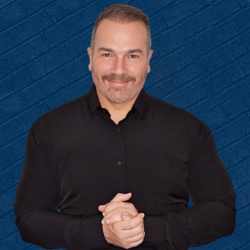
John Pape is the Managing Partner at Weston & Pape and has more than 30 years of experience representing injured clients across Florida. A summa cum laude graduate of the University of Miami School of Law, he has devoted his entire career to personal injury cases, including motor-vehicle accidents, wrongful death, and nursing-home neglect. Recognized by Verdict7, The National Trial Lawyers Top 100, and Premier Lawyers of America, John is known for his thorough preparation and commitment to achieving meaningful results for his clients.

 Call Us Today - It's Free