How a Lawyer Can Help Simplify Mental Health SSD Claims

Filing for Social Security Disability (SSD) benefits can feel overwhelming. For those with mental health conditions, the process can be even more complicated. Mental health claims often require extensive documentation, detailed medical records, and careful explanations of how a condition affects daily life. A lawyer with experience in Social Security Disability claims can make this process more manageable, helping you focus on your health while they handle the legal complexities.
Understanding Mental Health Disabilities
Knowing what qualifies as a mental health disability under Social Security is the first challenge many applicants face. Conditions such as depression, anxiety disorders, bipolar disorder, schizophrenia, and post-traumatic stress disorder can all qualify if they significantly limit your ability to work.
However, proving this to the Social Security Administration (SSA) requires more than just a diagnosis. You need clear medical evidence, a consistent treatment history, and documentation of how your condition interferes with daily functioning.
Gathering and Organizing Evidence
One of the primary ways a lawyer can help is by gathering and organizing the necessary evidence. Medical records, psychiatric evaluations, therapy notes, and medication histories are all essential.
Lawyers know what the SSA looks for in these records and can ensure that nothing is missing or unclear. Missing or incomplete documentation is one of the most common reasons mental health SSD claims are denied. A lawyer can help prevent this by reviewing your records and making sure they clearly support your claim.
Showing How Your Condition Affects Work
Another challenge in mental health claims is showing the connection between your condition and your ability to work. Mental health limitations are often less visible than physical disabilities, which can make it harder to prove they are disabling.
A lawyer can help translate your medical information into terms that make sense to the SSA. They can also help collect statements from doctors, therapists, and family members that show how your condition affects daily life. These statements can be crucial in strengthening your claim.
Filing Paperwork Accurately
The SSD application process is detailed and can be confusing. Even small mistakes can lead to delays or denials. Lawyers guide clients through each step, from filling out initial forms to submitting appeals if necessary.
They understand the language and requirements of the SSA, which can reduce errors and improve the chances of approval.
Handling Denials and Appeals
If your claim is denied, a lawyer can help with the appeal process. Mental health claims are denied at a higher rate than some other types of claims. This can be discouraging, but it does not mean your claim is over.
Lawyers can identify why a claim was denied and take steps to address those issues in the appeal. They can represent you at hearings, prepare you for questions, and present your case effectively. This guidance is especially helpful for people with anxiety or other conditions that make legal proceedings stressful.
Maintaining Consistent Treatment
Consistency is a key factor in mental health claims. The SSA looks for patterns in treatment, doctor visits, and reported symptoms. Irregular treatment or gaps in documentation can create doubt about the severity of your condition.
Lawyers can advise clients on maintaining consistent medical care and accurately reporting symptoms. This advice can make a significant difference in the outcome of a claim.
Peace of Mind and Support
Navigating the SSD system alone can be stressful and confusing. Having a professional who understands the process reduces anxiety and allows you to focus on managing your mental health. Knowing that someone is advocating for you and handling the details can make the entire process less intimidating.
Choosing the Right Lawyer
Selecting a lawyer with experience in mental health SSD claims is important. Not all disability lawyers have the same level of expertise with conditions that are less visible.
Ask about their success rate, experience with hearings, and how they communicate with clients. A good lawyer will explain each step, set realistic expectations, and keep you informed throughout the process.
Accessing Additional Resources
Some lawyers can connect clients with other resources, such as mental health services, support groups, or local programs for people with disabilities. Combining legal help with additional support can make a significant difference in managing your condition while pursuing benefits.
It is also important to know that hiring a lawyer usually does not require upfront payment. Many disability lawyers work on a contingency fee basis, meaning they are paid only if you win your case.
Conclusion
Mental health SSD claims can be complex, but they are not impossible to win. The key is preparation, documentation, and guidance from someone familiar with the process.
Lawyers help applicants navigate each of these areas effectively. They ensure your medical evidence is strong, your forms are accurate, and your appeal strategy is sound if needed. By handling the legal side of your claim, a lawyer allows you to focus on your health and recovery.
From gathering and organizing evidence to filing paperwork and representing you at hearings, legal assistance simplifies the process. Consistent treatment, clear documentation, and effective advocacy are all part of building a successful claim.
Mental health challenges are difficult enough on their own. Having professional support can ease the burden while increasing your chances of receiving the benefits you need.
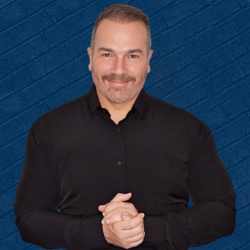
John Pape is the Managing Partner at Weston & Pape and has more than 30 years of experience representing injured clients across Florida. A summa cum laude graduate of the University of Miami School of Law, he has devoted his entire career to personal injury cases, including motor-vehicle accidents, wrongful death, and nursing-home neglect. Recognized by Verdict7, The National Trial Lawyers Top 100, and Premier Lawyers of America, John is known for his thorough preparation and commitment to achieving meaningful results for his clients.

 Call Us Today - It's Free