What Happens If You Miss Your SSD Hearing?
For many people seeking Social Security disability benefits, the hearing before an administrative law judge is the most important step in the entire process. It often comes after months of waiting and at least one denial, so missing it can feel devastating. Illness, transportation problems, a lost notice, or simple confusion about the date can all cause someone to miss a scheduled hearing. The good news is that a missed hearing does not always end a claim, but the steps that follow are time-sensitive. For residents of Stuart and the surrounding Treasure Coast, knowing what to expect can make the difference in getting a case back on track. Anyone in this situation may want to talk with a Stuart disability hearing attorney as soon as possible.
How SSD Hearings Are Scheduled
Understanding how hearings are scheduled can help applicants avoid missing one in the first place. It also helps explain what happens if a notice never arrives.
The Notice of Hearing
The Social Security Administration generally mails a notice of hearing at least 75 days before the scheduled date, unless the applicant agrees to a shorter period. The notice lists the date, time, format, and location of the hearing, and it usually includes a form asking the applicant to confirm that they will attend. Returning that acknowledgment form promptly helps the hearing office know the applicant received the notice. Someone who has moved, such as from Jensen Beach to Hobe Sound, should update their mailing address with the agency right away so important notices reach them.
Hearing Formats and Planning Ahead
Hearings may take place in person, by telephone, or by online video, depending on the options offered and the applicant’s choice. For an in-person hearing, planning for traffic on I-95 or extra travel time can help avoid a late arrival. Applicants who rely on public transportation, such as the MARTY bus system in Martin County, may want to check routes and schedules well in advance. For phone or video hearings, testing the connection and having a quiet space ready can prevent technical problems on the day itself.
Asking for a New Date Before the Hearing
If an applicant learns ahead of time that they cannot attend, such as because of a scheduled surgery or a family emergency, contacting the hearing office before the hearing date is far better than simply not appearing. The judge may agree to reschedule if there is good cause for the change. Making the request in writing, explaining the reason, and including supporting documents can help. A request made early generally receives a more favorable response than an explanation offered after the hearing has already passed.
What Happens After a Missed Hearing
When an applicant does not appear, the judge does not automatically decide against them. Instead, the process usually follows a set of steps, outlined in the table below.
| Step | What It Generally Means |
|---|---|
| Request to show cause | The applicant is asked to explain why they did not attend |
| Good cause found | The hearing is usually rescheduled |
| No good cause found | The request for hearing may be dismissed |
| Dismissal issued | The applicant may ask the judge to vacate it or seek Appeals Council review |
The Request to Show Cause
In many cases, the hearing office sends a notice asking the applicant to explain, in writing, why they missed the hearing. The response window is short, often about 10 days, so it is important to watch the mail closely and reply quickly. A clear, honest explanation supported by documents, such as hospital discharge papers, can strengthen the response. Ignoring this notice may lead the judge to dismiss the request for hearing.
Dismissal and Its Consequences
Under Social Security regulation 20 CFR 404.957, a judge may dismiss a hearing request when the applicant fails to appear without good cause. A dismissal generally leaves the earlier denial in place. The applicant may ask the judge to vacate the dismissal or request review by the Appeals Council, usually within 60 days. If those options fail, filing a new application may be necessary, which can affect how far back benefits may reach.
Showing Good Cause and Getting Back on Track
Whether a claim can be revived often depends on the reason for the missed hearing and how quickly the applicant responds. Acting promptly is essential.
Reasons That May Be Accepted
The agency considers factors described in 20 CFR 404.911, such as serious illness, a death or serious illness in the family, not receiving the notice, or other unusual circumstances. A hospital stay at Cleveland Clinic Tradition Hospital in Port St. Lucie on the day of the hearing, for example, may be a reason the judge would consider. Severe weather during hurricane season along the Treasure Coast, which can close roads and offices, may also be relevant. Each situation is reviewed individually, so documentation is important.
Steps to Take Right Away
Anyone who misses a hearing should contact the hearing office as soon as possible, explain what happened, and ask how to submit a written statement. Gathering proof, such as medical records, a letter from a doctor, or evidence of a mailing problem, can support the explanation. Keeping copies of everything sent and noting the date it was mailed can help if questions arise later. Dante Weston, who was a member of the trial team at Stetson University College of Law, knows how much rides on being fully prepared for a hearing, and he brings that same readiness to helping applicants respond when something goes wrong.
Getting Your Disability Claim Back on Schedule
If you miss your SSD hearing, prompt action and a well-documented explanation may help you get the hearing rescheduled and keep your claim alive. At Weston & Pape, our team helps applicants prepare for hearings and respond quickly when a problem arises. Our founding partner, Dante Weston, played Division I college football at the University of Miami and Brown University, and the steady preparation that level of competition requires mirrors how our team helps each client get ready for their day before a judge. Whether you live off Cove Road or elsewhere in Martin County, our Stuart disability lawyers can help. Reach out for a free consultation.
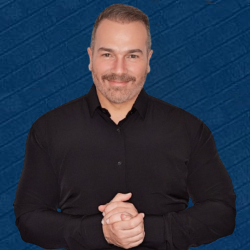
John Pape is the Managing Partner at Weston & Pape and has more than 30 years of experience representing injured clients across Florida. A summa cum laude graduate of the University of Miami School of Law, he has devoted his entire career to personal injury cases, including motor-vehicle accidents, wrongful death, and nursing-home neglect. Recognized by Verdict7, The National Trial Lawyers Top 100, and Premier Lawyers of America, John is known for his thorough preparation and commitment to achieving meaningful results for his clients.

 Call Us Today - It's Free