Overcoming Challenges in TERI SSD Claims
When someone receives a diagnosis that is expected to end their life, the last thing they or their family should face is a long wait for disability benefits. The Social Security Administration recognizes this through its Terminal Illness program, often called TERI, which is designed to move qualifying claims through the system faster. In practice, though, TERI claims can still run into obstacles, from cases that are never flagged to medical records that leave out key details. For families in Sewall’s Point, Hutchinson Island, and across Martin County, understanding these challenges can make an already difficult time a little more manageable. Anyone facing this situation may want to speak with a Stuart attorney who handles expedited terminal illness claims about how to keep the process moving.
What Makes a Claim a TERI Case
A TERI designation is an internal flag that tells everyone handling a claim to treat it as a priority. Knowing how the agency defines a terminal illness is the first step toward making sure a claim receives that attention.
The Social Security Definition of Terminal Illness
The Social Security Administration’s operations manual, in its section on processing Terminal Illness (TERI) cases, defines a terminal illness as a medical condition that is untreatable and expected to result in death. A claim can be identified as a TERI case based on a statement from the applicant, a family member, a friend, or a medical source. The designation can be added at the initial application stage or later in the process. Out of sensitivity, the agency avoids using the word terminal in materials that the applicant sees.
Situations That Often Lead to the Designation
The agency’s guidance lists several situations that commonly indicate a TERI case, although the list is not exhaustive. The table below summarizes some of the most common examples.
| Situation | Why It May Signal a TERI Case |
|---|---|
| Receiving hospice care | Care is focused on comfort rather than cure |
| Amyotrophic lateral sclerosis | The condition is progressive and has no cure |
| Certain advanced or inoperable cancers | The disease has spread or cannot be removed |
| Awaiting certain organ transplants | Survival depends on a transplant |
Common Challenges in TERI Claims
Even with a priority designation, TERI claims can stall or be denied. Most problems fall into a few recognizable categories.
A Claim That Is Never Flagged
A claim may miss the TERI designation if the application does not clearly describe the condition or the prognosis. Applicants sometimes understate how serious their illness is, either out of hope or because they do not know the information matters. Without the flag, the claim may move through the standard process, which can take considerably longer. Clearly stating the diagnosis, the stage of illness, and any hospice enrollment can help the agency recognize the case for what it is.
Medical Records That Do Not Tell the Full Story
A TERI flag speeds up processing, but the claim still has to be supported by medical evidence. Records from a treating hospital such as Cleveland Clinic Martin South Hospital on SE Salerno Road, for example, should reflect the diagnosis, treatment history, and current prognosis. Notes from hospice providers who make home visits in Jensen Beach or elsewhere can also help describe the person’s condition. When records are incomplete or slow to arrive, the agency may need to request more information, which can delay a decision.
Misunderstanding What TERI Does and Does Not Do
A TERI designation does not guarantee approval. The agency’s own guidance makes clear that the claim must still be evaluated under the usual disability rules. For Social Security Disability Insurance, the applicant must also meet the work credit requirements, and Supplemental Security Income has its own income and resource limits. Understanding these requirements early can help families prepare for questions that may arise during review.
Steps That May Help Overcome These Obstacles
Families often feel powerless when a priority claim seems stuck. A few practical steps may help bring a TERI claim back on track.
Communicating Clearly with Social Security
If a person’s condition worsens after the application is filed, that change can be reported so the claim can be reviewed for a TERI designation. Keeping copies of everything submitted and noting the date of every call or visit can help when follow-up is needed. Some illnesses may also appear on the agency’s Compassionate Allowances list, which can provide another path to faster review. Dante Weston, who volunteers with Pilots to the Rescue, a nonprofit that flies rescue animals to safety, understands that some situations simply cannot wait, and he brings that same sense of urgency and compassion to every time-sensitive claim.
Following Up When a Claim Seems Delayed
When a TERI claim appears stalled, a polite follow-up with the local field office or the national phone line can confirm whether the flag is in place and whether any records are missing. Residents of Indiantown, who may live farther from an in-person office, can often handle these follow-ups by phone or online. Members of Congress also have staff who can make inquiries with the agency on a constituent’s behalf. None of these steps guarantees a faster decision, but they can help identify problems sooner.
Support for Families and Caregivers
Caregivers often handle the paperwork while also managing appointments, medications, and daily needs. A family member who runs a shop on Osceola Street in downtown Stuart, for example, may be balancing work and caregiving at the same time. An applicant can appoint a representative to communicate with the agency on their behalf, which can ease some of that burden. If an applicant passes away before benefits are paid, certain family members may be able to pursue benefits that were owed, depending on the circumstances.
Moving a TERI Claim Forward with Care
Overcoming challenges in TERI SSD claims often comes down to clear communication, complete medical records, and an understanding of what the designation can and cannot do. At Weston & Pape, our team helps families present these claims with the urgency and sensitivity they deserve. Our founding partner, Dante Weston, grew up in Jupiter and has lived in the area since 1983, and his deep roots on Florida’s east coast shape our commitment to standing beside neighbors from Palm City to Port Salerno during their hardest moments. Our Stuart SSD lawyers can review your situation with compassion and care. We invite you to contact us for a free consultation.
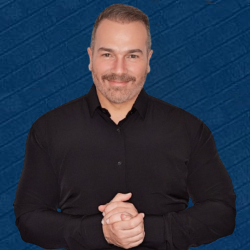
John Pape is the Managing Partner at Weston & Pape and has more than 30 years of experience representing injured clients across Florida. A summa cum laude graduate of the University of Miami School of Law, he has devoted his entire career to personal injury cases, including motor-vehicle accidents, wrongful death, and nursing-home neglect. Recognized by Verdict7, The National Trial Lawyers Top 100, and Premier Lawyers of America, John is known for his thorough preparation and commitment to achieving meaningful results for his clients.

 Call Us Today - It's Free